Wealth management strategies for enhancing personal wellness sets the stage for this enthralling narrative, offering readers a glimpse into a story that is rich in detail with personal blog style and brimming with originality from the outset.
In this guide, we will explore various aspects of wealth management strategies that not only focus on financial growth but also prioritize personal wellness, providing a holistic approach to achieving overall well-being.
Financial Technology
Financial technology, also known as fintech, has completely revolutionized wealth management strategies in recent years. With the advancement of technology, individuals now have access to a wide range of tools and platforms that can help them better manage their finances and investments.
This has not only made wealth management more efficient but has also contributed to enhancing personal wellness by reducing financial stress and uncertainty.
Robo-Advisors
Robo-advisors are automated platforms that provide investment advice and portfolio management services based on algorithms and mathematical models. These tools offer personalized investment recommendations tailored to individual financial goals and risk tolerance, all while keeping costs low. By utilizing robo-advisors, individuals can easily create diversified investment portfolios and monitor their performance without the need for extensive financial knowledge.
Personal Finance Apps
Personal finance apps have become increasingly popular for individuals looking to track their spending, set budgets, and save money. These apps offer features such as transaction categorization, bill reminders, and goal setting to help users stay on top of their financial situation.
By utilizing personal finance apps, individuals can gain a better understanding of their financial habits and make informed decisions to improve their overall financial wellness.
Cryptocurrency Wallets
Cryptocurrency wallets allow individuals to securely store and manage their digital assets. With the rise of cryptocurrencies like Bitcoin and Ethereum, having a cryptocurrency wallet can be essential for those looking to diversify their investment portfolio. These wallets offer features such as multi-currency support, secure storage, and easy transactions, making it easier for individuals to invest in the growing digital asset market.
Automated Savings Tools
Automated savings tools help individuals save money effortlessly by automatically transferring funds from their checking account to a savings or investment account. These tools can be set up to save a specific percentage of income or round up purchases to the nearest dollar, making it easier for individuals to build their savings over time.
By utilizing automated savings tools, individuals can develop healthy saving habits and work towards achieving their financial goals.
Financial Advice
Seeking professional financial advice is crucial for effective wealth management and overall personal wellness. A skilled financial advisor can provide valuable insights, guidance, and strategies tailored to your specific financial goals and circumstances. They can help you navigate complex financial decisions, optimize your investments, and create a solid financial plan for the future.
Choosing the Right Financial Advisor
When selecting a financial advisor to support your personal wellness goals, consider the following tips:
- Look for a certified and experienced advisor with a good reputation in the industry.
- Ensure the advisor’s values align with your own and that they prioritize your best interests.
- Ask about their fee structure and ensure transparency in all financial transactions.
- Seek referrals from trusted sources and conduct thorough research before making a decision.
Impact of Personalized Financial Advice
Personalized financial advice can have a significant impact on your overall financial wellness. By working closely with a financial advisor who understands your unique goals and challenges, you can make informed decisions, stay on track with your financial plan, and achieve greater peace of mind.
The tailored guidance and support provided by a professional advisor can help you build wealth, minimize risks, and secure a stable financial future.
Sustainable Investing
Sustainable investing is an investment approach that considers environmental, social, and governance (ESG) factors in addition to financial returns. This strategy aims to generate long-term value for investors while also contributing to positive societal and environmental impact.
Benefits of Sustainable Investing
Sustainable investing goes beyond traditional financial metrics to evaluate companies based on their commitment to sustainability and ethical practices. By integrating ESG factors into investment decisions, individuals can align their portfolios with their values and contribute to a more sustainable future.
- Financial Growth: Companies that prioritize sustainability are often more resilient to environmental and social risks, which can lead to long-term financial performance. By investing in these companies, individuals can potentially benefit from both financial growth and positive impact.
- Personal Well-being: Sustainable investing allows individuals to invest in companies that are making a positive difference in the world. This can provide a sense of fulfillment and purpose, enhancing personal well-being beyond financial gains.
- Long-Term Benefits: Integrating sustainable investment practices into wealth management plans can lead to long-term benefits for both investors and the planet. By supporting sustainable businesses, individuals can contribute to a more sustainable and equitable future for generations to come.
Investment Strategies: Wealth Management Strategies For Enhancing Personal Wellness
Investing is a crucial aspect of financial planning that can have a significant impact on our overall well-being. By choosing investment strategies that align with our personal goals and values, we can not only grow our wealth but also enhance our sense of security and fulfillment.When it comes to investment strategies, there are various approaches that individuals can consider.
It is essential to compare and contrast these approaches in terms of their impact on both financial and overall well-being. Some strategies may prioritize high returns but come with higher risks, while others may focus on stability and sustainability.
Diversification
Diversification is a strategy that involves spreading your investments across different asset classes, industries, and geographic regions. This approach can help reduce risk by not putting all your eggs in one basket. By diversifying your portfolio, you can potentially minimize losses during market downturns and benefit from the growth of different sectors.
Impact Investing
Impact investing is a strategy that aims to generate positive social or environmental impact alongside financial returns. This approach allows investors to align their investments with their values and contribute to positive change in the world. By investing in companies or projects that address social or environmental challenges, individuals can feel a sense of purpose and fulfillment in addition to financial gains.
Long-Term Investing
Long-term investing involves holding onto investments for an extended period, typically five years or more. This strategy focuses on the power of compounding returns over time and avoids the pitfalls of trying to time the market. By taking a long-term view, investors can ride out market fluctuations and benefit from the overall growth of the economy.
Responsible Investing, Wealth management strategies for enhancing personal wellness
Responsible investing integrates environmental, social, and governance (ESG) factors into investment decisions. By considering the impact of companies’ practices on society and the environment, investors can support businesses that are committed to sustainability and ethical practices. This strategy not only aligns with personal values but can also lead to better long-term performance.Investment strategies play a crucial role in shaping our financial future and overall well-being.
By choosing strategies that prioritize both wealth accumulation and personal wellness, individuals can build a more secure and fulfilling financial life.
Financial Wellness
Financial wellness is the state of being in control of your finances and having the ability to meet your financial goals. It is a crucial aspect of overall well-being as it impacts various areas of life, including mental health, physical health, and relationships.
Achieving financial wellness involves making sound financial decisions, managing debt effectively, saving for the future, and creating a financial plan that aligns with your goals and values.
Practical Tips for Improving Financial Wellness
- Track your expenses and create a budget: Knowing where your money is going can help you make informed decisions and identify areas where you can cut back.
- Build an emergency fund: Having a financial safety net can provide peace of mind and protect you in case of unexpected expenses or emergencies.
- Pay off high-interest debt: Prioritize paying off debt with high-interest rates to save money in the long run and improve your financial standing.
- Invest in your future: Start saving for retirement early and consider investing in assets that can help grow your wealth over time.
- Seek professional advice: Consulting with a financial advisor can help you create a personalized financial plan that suits your needs and goals.
Relationship Between Financial Wellness and Mental Health
Financial wellness and mental health are closely interconnected. Financial stress can significantly impact mental well-being, leading to anxiety, depression, and other mental health issues. By improving your financial wellness and taking control of your finances, you can reduce stress, improve your overall well-being, and enhance your mental health.
It is essential to prioritize financial wellness as part of your overall self-care routine to ensure a healthy and balanced life.
Financial Planning
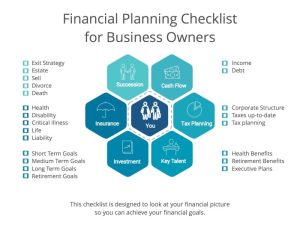
Financial planning plays a crucial role in enhancing personal wellness by providing individuals with a roadmap to achieve their financial goals while maintaining mental and emotional balance. By creating a comprehensive financial plan, individuals can gain a sense of control over their finances, reduce stress related to money management, and work towards a secure financial future.
Key Components of a Successful Financial Plan
- Setting clear financial goals: Establishing specific, measurable, achievable, relevant, and time-bound (SMART) goals is essential for creating a roadmap towards financial success.
- Budgeting and cash flow management: Tracking income, expenses, and savings can help individuals identify areas for improvement and ensure they are living within their means.
- Investment planning: Developing an investment strategy tailored to individual risk tolerance, time horizon, and financial goals can help grow wealth over time.
- Insurance coverage: Adequate insurance protection, including health, life, disability, and property insurance, can safeguard against unexpected financial setbacks.
- Estate planning: Planning for the distribution of assets and care of dependents after death is crucial for ensuring financial security for loved ones.
Benefits of Financial Planning for Personal Wellness
Financial planning not only helps individuals achieve their wealth management goals but also promotes mental and emotional well-being by reducing financial stress, providing a sense of security, and empowering individuals to make informed financial decisions. By taking a holistic approach to financial planning, individuals can align their financial goals with their values and priorities, leading to a more fulfilling and balanced life.
Financial Mindset
Having a positive financial mindset is crucial for effective wealth management and overall personal wellness. It involves developing a healthy relationship with money, understanding your beliefs and attitudes towards finances, and making intentional choices to improve your financial well-being.
Cultivating a Positive Financial Mindset
- Practice gratitude: Focus on what you have rather than what you lack to appreciate your current financial situation.
- Avoid comparison: Instead of comparing yourself to others, set your own financial goals based on your values and priorities.
- Embrace learning: Stay informed about financial matters, seek advice from experts, and continuously educate yourself to make informed decisions.
- Visualize success: Create a vision board or set clear financial goals to motivate yourself and stay committed to your financial plan.
- Acknowledge and overcome limiting beliefs: Identify any negative beliefs or fears around money and work on changing them to more positive and empowering beliefs.
Impact of Mindset Shifts on Financial Decision-Making
“Your mindset determines your reality.”
When you cultivate a positive financial mindset, you are more likely to approach financial decisions with confidence, clarity, and a sense of purpose. Mindset shifts can lead to better money management, increased savings, reduced financial stress, and a greater sense of financial security.
By adopting a growth mindset and viewing challenges as opportunities for growth, you can navigate obstacles and setbacks more effectively, leading to improved financial outcomes and overall life satisfaction.
Money Management
Effective money management is key to achieving financial stability and enhancing personal wellness. By implementing smart budgeting practices and mindful spending habits, individuals can not only accumulate wealth but also reduce financial stress and anxiety.
Budgeting Tips for Financial Stability
Creating and sticking to a budget is essential for managing your money effectively. Here are some tips to help you maintain financial stability:
- Track your income and expenses regularly to understand where your money is going.
- Set financial goals and prioritize your spending to align with these objectives.
- Limit unnecessary expenses and focus on essential items to avoid overspending.
- Build an emergency fund to cover unexpected costs and ensure financial security.
Mindful Money Management for Reduced Financial Stress
Practicing mindful money management can significantly reduce financial stress and promote overall well-being. Here are some strategies to help you achieve this:
- Avoid impulse purchases and prioritize needs over wants to maintain financial discipline.
- Regularly review your financial situation and make adjustments to your budget as needed.
- Automate bill payments and savings contributions to avoid late fees and ensure consistent saving habits.
- Seek professional financial advice to develop a comprehensive financial plan tailored to your goals and circumstances.
Wealth and Wellness
When it comes to overall well-being, the intersection between wealth and wellness plays a crucial role in leading a fulfilling life. Achieving financial goals can have a positive impact on our physical, mental, and emotional health, ultimately contributing to a holistic sense of well-being.
Leveraging Wealth for Wellness
One way individuals can leverage their wealth to enhance their well-being is by investing in experiences that promote relaxation and reduce stress. This could include indulging in a wellness retreat, spa days, or regular exercise classes. By prioritizing self-care activities, individuals can improve their mental and emotional health, leading to a more balanced lifestyle.
Another way to enhance wellness through wealth is by investing in healthy food options and nutrition. Eating a balanced diet can have a direct impact on physical health, energy levels, and overall vitality. By allocating resources towards quality food choices, individuals can support their well-being and longevity.
Furthermore, philanthropy and giving back can also contribute to a sense of fulfillment and well-being. Using wealth to support causes and organizations that align with personal values can create a sense of purpose and satisfaction. This sense of giving can lead to increased happiness and overall well-being.
Wealthy Wallet
Building a wealthy wallet is not just about accumulating money, but also making smart financial decisions that lead to long-term wealth and personal wellness. By focusing on creating a diversified financial portfolio, individuals can ensure financial stability and security for the future.
This involves investing in a variety of assets such as stocks, bonds, real estate, and other financial instruments to spread out risk and maximize returns.
Significance of Diversification
Diversification is a key strategy in wealth management as it helps reduce the impact of market fluctuations on your overall portfolio. By spreading your investments across different asset classes and industries, you can minimize the risk of losing money in case one sector underperforms.
This approach also allows you to take advantage of various opportunities for growth and income generation.
- Creating a diversified portfolio involves allocating your assets across different investment options, including stocks, bonds, mutual funds, and real estate.
- By diversifying your investments, you can protect your wealth from unexpected events and market downturns.
- Regularly reviewing and rebalancing your portfolio is essential to ensure that it remains aligned with your financial goals and risk tolerance.
“Don’t put all your eggs in one basket. Diversification is key to long-term wealth preservation and growth.”
Abundance Mindset and Wealth
The idea of abundance mindset plays a crucial role in wealth accumulation and overall happiness. By cultivating a mindset of abundance, individuals can attract more opportunities for financial success and fulfillment. This mindset involves believing that there is always enough wealth and resources to go around, leading to a positive outlook on financial matters and a willingness to take calculated risks for growth.
- Practicing gratitude and positive thinking can help shift your mindset towards abundance and attract more wealth into your life.
- Avoiding scarcity mentality and focusing on abundance can lead to better financial decision-making and a more fulfilling life.
- Visualizing your financial goals and believing in your ability to achieve them can help manifest wealth and success in your life.
Epilogue

As we conclude our journey through the realm of wealth management strategies for enhancing personal wellness, it becomes evident that a balanced approach to financial planning can lead to not only wealth accumulation but also mental, emotional, and physical well-being.
By incorporating these strategies into your financial goals, you pave the way for a more prosperous and fulfilling future.
FAQ Insights
How important is financial technology in wealth management strategies?
Financial technology plays a crucial role in revolutionizing wealth management strategies by offering tools that enhance financial management and overall well-being.
Why is sustainable investing relevant to wealth management?
Sustainable investing not only contributes to financial growth but also aligns with personal well-being, offering long-term benefits for wealth management plans.
What is the significance of financial wellness in wealth management?
Financial wellness is vital in the context of wealth management as it directly impacts overall well-being, with practical tips for improving financial wellness leading to a more balanced life.