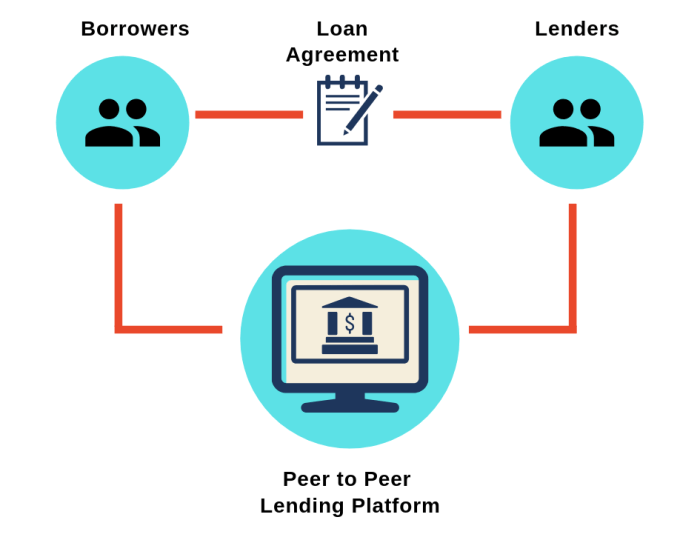
Kicking off with Financial technology in peer-to-peer lending platforms, this topic delves into the transformative role of technology in reshaping the lending landscape. From efficiency to accessibility, we explore how fintech is changing the game for borrowers and investors alike.
Financial Technology in Peer-to-Peer Lending Platforms
Financial technology, or fintech, has played a crucial role in revolutionizing the peer-to-peer lending industry. By leveraging technology, P2P lending platforms have been able to connect borrowers directly with investors, cutting out the need for traditional financial institutions as intermediaries.
Improved Efficiency and Accessibility
- Automation of processes: Fintech has enabled P2P lending platforms to automate various aspects of the lending process, from loan origination to underwriting, making the entire process more efficient.
- Enhanced data analytics: With the use of advanced algorithms and data analytics, fintech has allowed P2P platforms to better assess credit risk and make more informed lending decisions.
- 24/7 Accessibility: Unlike traditional banks with limited operating hours, P2P lending platforms are accessible online 24/7, providing borrowers and investors with greater flexibility.
Comparison with Traditional Lending Methods
- Speed and convenience: Peer-to-peer lending facilitated by fintech is often faster and more convenient than traditional bank loans, with quicker approval processes and disbursement of funds.
- Lower costs: P2P lending platforms typically have lower overhead costs compared to traditional banks, allowing them to offer competitive interest rates to borrowers and attractive returns to investors.
- Transparency and flexibility: Fintech-driven P2P lending offers greater transparency in terms of fees, interest rates, and terms of the loan, and provides borrowers with more flexible repayment options.
Financial Advice in Wealth Management
Financial advice plays a crucial role in helping individuals manage their wealth effectively. It provides guidance on making informed investment decisions, creating personalized wealth management strategies, and achieving financial goals.
Importance of Financial Advice
Financial advice is essential in wealth management as it helps individuals navigate the complexities of the financial market. By seeking advice from experts, individuals can gain valuable insights into various investment options, risk management strategies, and asset allocation techniques. This guidance can help them make informed decisions that align with their financial goals and risk tolerance.
Examples of Financial Advice
Diversification
Financial advisors often recommend diversifying investment portfolios to reduce risk exposure. By spreading investments across different asset classes, industries, and geographies, individuals can minimize the impact of market fluctuations on their overall wealth.
Retirement Planning
Financial advisors assist individuals in creating retirement plans tailored to their specific needs and objectives. They help clients determine how much they need to save, choose appropriate retirement accounts, and develop withdrawal strategies to ensure a comfortable retirement.
Role of Financial Advisors
Financial advisors play a crucial role in creating personalized wealth management strategies for their clients. They assess their clients’ financial situation, goals, and risk tolerance to develop customized investment plans. By providing ongoing guidance and monitoring, advisors help individuals stay on track towards achieving their financial objectives.
Sustainable Investing for Financial Growth
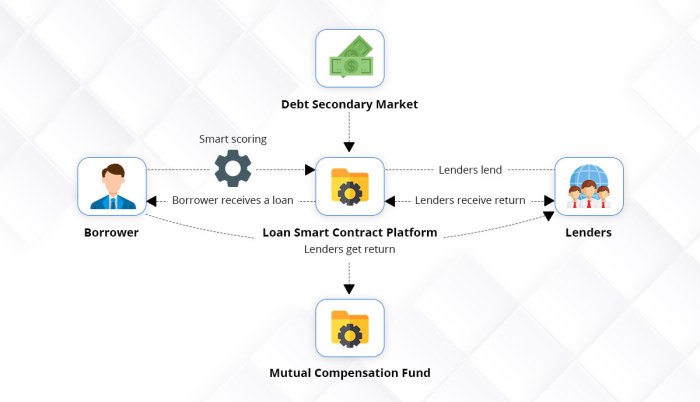
Sustainable investing is a strategy that aims to generate financial returns while also making a positive impact on the environment or society. This approach considers not only the financial performance of an investment but also its environmental, social, and governance (ESG) factors.
By aligning investments with sustainable practices, investors can contribute to positive change while potentially achieving long-term financial growth.Key principles of sustainable investing include integrating ESG factors into investment decisions, engaging with companies to improve their sustainability practices, and actively seeking out investments that support a more sustainable future.
This approach differs from traditional investment strategies by placing a greater emphasis on the long-term impact of investments beyond just financial returns.
Success Stories of Sustainable Investing
- One success story is Patagonia, a clothing company known for its commitment to sustainability. By incorporating sustainable practices into its supply chain and operations, Patagonia has not only reduced its environmental impact but also attracted a loyal customer base that values ethical and environmentally conscious products.
- Another example is Ørsted, a Danish energy company that transitioned from fossil fuels to renewable energy sources. This strategic shift not only positioned Ørsted as a leader in sustainability but also led to significant financial growth as demand for renewable energy solutions increased.
- Individual investors have also seen success through sustainable investing. By choosing to invest in companies with strong ESG practices or sustainable business models, individuals can align their financial goals with their values while potentially achieving competitive returns.
Investment Strategies for Financial Success
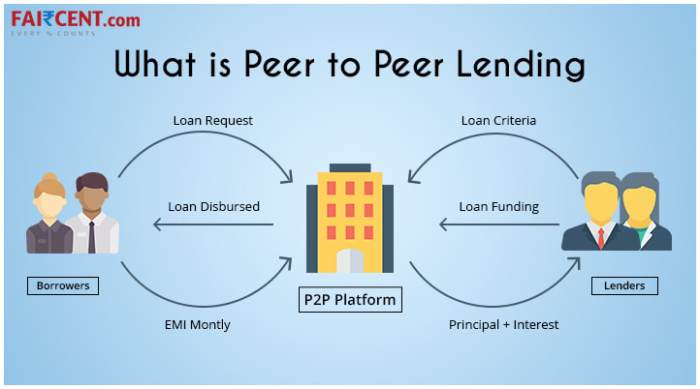
Investing is a crucial aspect of financial planning that can help individuals achieve their long-term financial goals. It involves making informed decisions about where to allocate funds to generate returns over time. To ensure financial success, it is essential to have a solid investment strategy in place that aligns with your financial goals and risk tolerance.
Diversification, Financial technology in peer-to-peer lending platforms
Diversification is a strategy that involves spreading your investments across different asset classes, industries, and geographic regions to reduce risk. By diversifying your portfolio, you can mitigate the impact of market fluctuations on your overall investment performance. This strategy helps in balancing out potential losses in one asset class with gains in another, thereby reducing the overall risk of your investment portfolio.
- Investing in a mix of stocks, bonds, real estate, and other assets can help spread risk and potentially increase returns.
- Rebalancing your portfolio regularly to maintain the desired asset allocation can ensure that you stay diversified.
- Consider investing in mutual funds or exchange-traded funds (ETFs) that offer diversification across a range of assets.
Risk Management
Effective risk management is essential for protecting your investments and achieving financial success. Understanding your risk tolerance and implementing strategies to manage risk can help you navigate market volatility and uncertainty.
“Risk comes from not knowing what you are doing.”
Warren Buffett
- Assess your risk tolerance by considering factors such as your investment horizon, financial goals, and comfort level with market fluctuations.
- Allocate a portion of your portfolio to lower-risk investments, such as bonds or cash, to reduce overall risk exposure.
- Use stop-loss orders or set exit strategies to limit potential losses and protect your investment capital.
Long-Term Planning
Long-term planning is key to achieving financial success through investing. By setting clear financial goals and developing a long-term investment strategy, you can build wealth over time and secure your financial future.
- Establish specific financial goals, such as retirement savings, education funds, or buying a home, to guide your investment decisions.
- Create a diversified investment portfolio tailored to your financial goals and risk tolerance, and regularly review and adjust your investments as needed.
- Stay disciplined and avoid making emotional investment decisions based on short-term market fluctuations.
Financial Wellness and Its Impact: Financial Technology In Peer-to-peer Lending Platforms
Financial wellness is the state of being able to manage one’s financial responsibilities while also having the financial flexibility to enjoy life. It involves having a clear understanding of one’s financial situation, making informed decisions, and actively working towards financial goals.
Financial wellness is crucial for overall well-being as it can reduce stress, improve relationships, and provide a sense of security.
Tips for Improving Financial Wellness
- Create a budget: Start by tracking your expenses and income to create a budget that aligns with your financial goals. This will help you manage your money effectively and avoid overspending.
- Save regularly: Set aside a portion of your income for savings and emergency funds. Having savings can provide a safety net during unexpected financial challenges.
- Invest wisely: Consider investing in diversified portfolios that align with your risk tolerance and financial goals. Investing can help grow your wealth over time.
The Correlation Between Financial Wellness and Mental Health
Financial wellness has a significant impact on mental health. Financial stress can lead to anxiety, depression, and other mental health issues. By improving financial wellness, individuals can reduce stress levels, improve mental clarity, and enhance overall well-being.
Financial Planning for Long-Term Goals
Financial planning plays a crucial role in achieving long-term financial goals. It involves analyzing your current financial situation, setting specific objectives, and developing strategies to reach those goals over an extended period. By creating a comprehensive financial plan, you can effectively manage your finances and work towards a secure financial future.
The Importance of Financial Planning
- Financial planning helps you identify your long-term goals and priorities.
- It allows you to create a roadmap for achieving those goals by outlining specific steps and timelines.
- By setting realistic goals and establishing a plan, you can make informed financial decisions and track your progress over time.
Creating a Comprehensive Financial Plan
A comprehensive financial plan typically includes assessing your current financial situation, setting specific goals, creating a budget, managing debt, investing wisely, and planning for retirement.
- Assess your current financial situation by calculating your net worth, analyzing your income and expenses, and evaluating your assets and liabilities.
- Set specific and measurable financial goals, such as saving for a down payment on a house, funding your children’s education, or building a retirement nest egg.
- Create a budget to track your income and expenses, identify areas where you can save money, and allocate funds towards your goals.
- Manage debt by prioritizing high-interest debt repayment and developing a strategy to reduce your overall debt burden.
- Invest wisely by diversifying your investment portfolio, considering your risk tolerance and time horizon, and regularly reviewing and adjusting your investments.
- Plan for retirement by estimating your retirement expenses, maximizing retirement account contributions, and considering long-term care and estate planning.
Financial Technology in Streamlining Financial Planning
- Financial technology, or FinTech, has revolutionized the financial planning process by providing tools and platforms that automate and simplify various aspects of financial planning.
- FinTech solutions offer budgeting apps, investment platforms, retirement calculators, and other tools that enable individuals to track their finances, set goals, and make informed decisions in real-time.
- These technological advancements have made financial planning more accessible, efficient, and personalized, allowing individuals to take control of their financial future with ease.
Financial Mindset for Wealth Accumulation
Having the right mindset is crucial when it comes to building wealth and achieving financial success. It’s not just about making money, but also about how you think about money and your approach to managing it. Cultivating a positive and growth-oriented financial mindset can significantly impact your financial decisions and behaviors, ultimately leading to a more secure financial future.
Mindset Shifts for Wealth Accumulation
- Believe in abundance: Instead of thinking in terms of scarcity, shift your mindset to believe that there are endless opportunities to create wealth.
- Embrace risk-taking: Taking calculated risks is often necessary for financial growth. Embrace the idea of stepping out of your comfort zone to seize opportunities.
- Focus on long-term goals: Avoid short-term thinking and prioritize long-term financial goals. This shift in mindset can help you make more strategic decisions.
- Learn from failures: Instead of seeing failures as setbacks, view them as learning opportunities. Adopting a growth mindset can help you bounce back stronger.
Strategies for Cultivating a Positive Financial Mindset
- Practice gratitude: Appreciating what you have can shift your focus from what you lack, fostering a positive outlook on your financial situation.
- Visualize success: Visualizing your financial goals and imagining yourself achieving them can motivate you to take the necessary steps to turn your vision into reality.
- Surround yourself with positivity: Surround yourself with people who have a positive attitude towards money and success. Their mindset can be contagious.
- Continuous learning: Stay informed about financial matters and seek to improve your financial literacy. The more you know, the more empowered you will feel to make informed decisions.
Money Management Tips for Financial Stability
Effective money management is crucial for achieving financial stability and success. By implementing practical budgeting and saving techniques, you can take control of your finances and work towards your financial goals.
Create a Budget and Stick to It
- Start by tracking your income and expenses to get a clear picture of your financial situation.
- Allocate a specific amount for necessities, savings, and discretionary spending in your budget.
- Avoid overspending by prioritizing needs over wants and making adjustments as needed.
Automate Your Savings
- Set up automatic transfers to your savings account each month to ensure consistent saving habits.
- Consider opening a separate savings account for specific goals, such as an emergency fund or a vacation fund.
- Take advantage of apps and tools that round up your purchases and save the spare change automatically.
Monitor Your Credit Score and Debt Levels
- Regularly check your credit score to identify any errors or areas for improvement.
- Prioritize paying off high-interest debt to reduce financial strain and improve your credit score.
- Avoid taking on unnecessary debt and keep your credit utilization low to maintain a healthy financial profile.
Seek Financial Advice and Education
- Consult with a financial advisor to develop a personalized financial plan and receive guidance on investment strategies.
- Attend financial literacy workshops or seminars to enhance your knowledge and skills in managing money effectively.
- Read books or listen to podcasts on personal finance to stay informed about the latest trends and tips in the financial world.
Wealth and Wellness
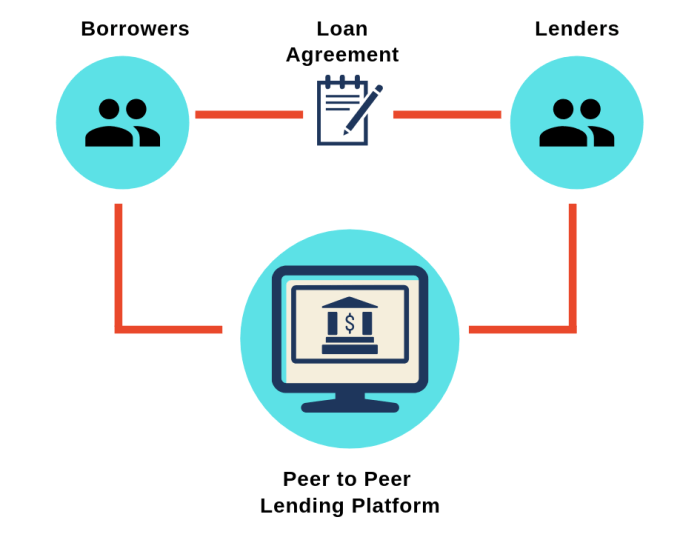
Maintaining a balance between financial success and personal well-being is crucial for overall happiness and fulfillment. As we strive to accumulate wealth and achieve our financial goals, it is equally important to prioritize our health and well-being to lead a fulfilling life.
Relationship between Wealth and Wellness
- Physical Health: Investing in your physical health through regular exercise, proper nutrition, and adequate rest can lead to increased productivity and better financial decision-making.
- Mental Health: Managing stress, anxiety, and other mental health issues is essential for maintaining focus and clarity in managing finances effectively.
- Emotional Well-being: Building strong relationships, practicing self-care, and engaging in activities that bring joy can contribute to a positive mindset that supports financial success.
Maintaining Balance
- Set Boundaries: Establish boundaries between work and personal life to prevent burnout and maintain a healthy work-life balance.
- Prioritize Self-Care: Make time for activities that nourish your mind, body, and soul to recharge and stay motivated in pursuing financial goals.
- Seek Support: Don’t hesitate to seek professional help or guidance when needed to address any financial or health-related concerns.
Holistic Wealth Management
“True wealth is not just about money; it’s about well-being in all aspects of life.”
When we approach wealth management holistically, we consider not only financial assets but also our physical, mental, and emotional well-being. By integrating these elements into our financial planning, we can create a more sustainable and fulfilling path to success.
Ultimate Conclusion
In conclusion, Financial technology in peer-to-peer lending platforms is paving the way for a more inclusive and efficient lending ecosystem. As technology continues to evolve, the potential for growth and innovation in the financial sector is limitless.
FAQ Explained
How has financial technology improved peer-to-peer lending platforms?
Financial technology has enhanced efficiency, accessibility, and transparency in peer-to-peer lending, making it easier for individuals to borrow and invest.
What sets peer-to-peer lending apart from traditional lending methods?
Peer-to-peer lending, facilitated by financial technology, eliminates the need for intermediaries like banks, allowing for direct transactions between borrowers and lenders.
Can anyone participate in peer-to-peer lending platforms?
While regulations may vary, peer-to-peer lending platforms generally offer opportunities for both individual investors and borrowers to participate in the lending process.


