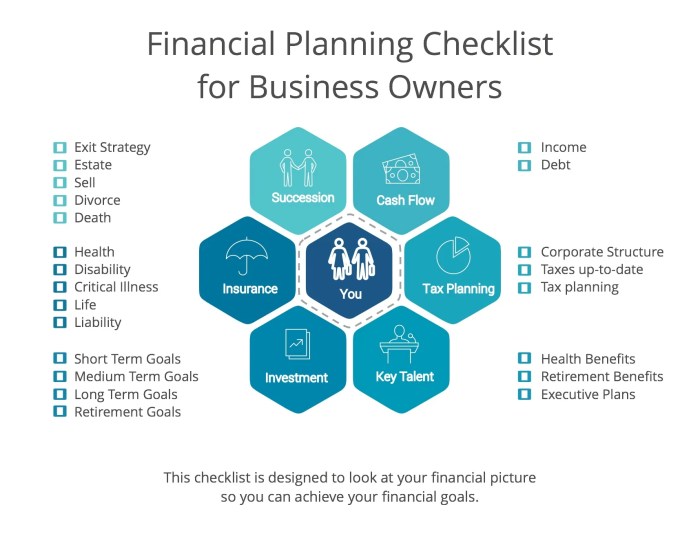
Delving into Financial advice for starting and growing a small business, this introduction immerses readers in a unique and compelling narrative, with personal blog style that is both engaging and thought-provoking from the very first sentence.
Starting a small business can be both exciting and challenging. One of the crucial aspects of ensuring success is managing your finances effectively. In this guide, we will explore expert tips and strategies to help you navigate the financial landscape of entrepreneurship, from seeking professional advice to sustainable investment opportunities and maintaining a healthy financial mindset.
Let’s dive in and discover how you can set your small business up for financial success!
Financial Technology

Financial technology, also known as fintech, plays a crucial role in providing tools and solutions for small businesses to effectively manage their finances. These technological innovations help streamline financial processes, improve decision-making, and enhance overall financial performance.
Key Financial Technology Solutions, Financial advice for starting and growing a small business
- Accounting Software: Platforms like QuickBooks and Xero offer small businesses the ability to track income and expenses, generate financial reports, and manage invoices.
- Financial Planning Tools: Software such as LivePlan and Float can assist in budgeting, forecasting, and scenario planning, helping small businesses set realistic financial goals and monitor progress.
- Payment Processing Systems: Services like Square and PayPal provide easy and secure ways for small businesses to accept payments from customers, helping to improve cash flow and streamline transactions.
Advantages of Using Financial Technology Platforms
- Efficiency: Automating financial processes saves time and reduces the risk of errors, allowing small business owners to focus on growing their business.
- Accuracy: Financial technology solutions provide real-time data and insights, enabling better decision-making and financial planning.
- Cost-Effectiveness: Using fintech tools can help reduce operational costs associated with manual financial tasks, making financial management more affordable for small businesses.
- Accessibility: Cloud-based financial technology platforms offer anytime, anywhere access to financial data, allowing small business owners to stay informed and make informed decisions on the go.
Financial Advice: Financial Advice For Starting And Growing A Small Business
Starting and growing a small business requires careful financial planning and management. Seeking expert financial advice can make a significant difference in the success of your business venture. Here are some tips to consider when looking for financial advice.
Importance of Creating a Financial Plan
Creating a solid financial plan is crucial for the success of any business, especially a small one. Professional advisors can help you develop a comprehensive plan that Artikels your financial goals, budget, and projections. This plan will serve as a roadmap for your business and help you make informed financial decisions.
- Consult with financial advisors who specialize in small business finances to get tailored advice.
- Ensure your financial plan includes realistic revenue forecasts, expense estimates, and cash flow projections.
- Regularly review and update your financial plan to adapt to changing market conditions and business needs.
Common Mistakes to Avoid
When seeking financial advice for small business growth, it’s important to be aware of common mistakes that can hinder your progress.
- Avoid relying solely on online resources or generic advice that may not apply to your specific business situation.
- Don’t overlook the importance of understanding financial terms and concepts to make informed decisions.
- Avoid ignoring red flags or warning signs in your financial data, as they could indicate potential issues that need to be addressed.
Sustainable Investing
Sustainable investing involves making financial decisions that not only consider potential financial returns but also take into account environmental, social, and governance (ESG) factors. This approach aims to generate long-term positive impact while also achieving financial goals. For small businesses, sustainable investing can offer numerous benefits beyond just financial gains.
Benefits of Sustainable Investing for Small Businesses
- Enhanced Reputation: By aligning with sustainable investment practices, small businesses can build a positive reputation among consumers, investors, and other stakeholders who value social responsibility.
- Risk Mitigation: Investing in companies with strong ESG practices can help mitigate risks associated with environmental disasters, lawsuits, and other negative events that could impact the business.
- Cost Savings: Sustainable investments often lead to cost savings through energy efficiency measures, waste reduction, and other sustainable practices that can improve the bottom line.
Sustainable Investment Opportunities for Small Businesses
- Renewable Energy: Investing in renewable energy sources such as solar or wind power can not only reduce carbon footprint but also provide long-term cost savings on energy bills.
- Green Technology: Supporting companies that develop innovative green technologies can create opportunities for collaboration and growth in the sustainable business sector.
- Impact Investing: Directing funds towards organizations that have a clear social or environmental mission can align with the values of the business while also generating positive impact.
Contribution to Long-Term Financial Growth and Stability
Sustainable investing can contribute to the long-term financial growth and stability of small businesses by fostering resilience, innovation, and stakeholder trust. By integrating ESG factors into investment decisions, businesses can create a more sustainable and competitive advantage in the market while also contributing to a more sustainable future for all.
Investment Strategies
As a small business owner, choosing the right investment strategy is crucial for the financial success and growth of your business. It’s important to find strategies that not only minimize risks but also maximize returns in a sustainable manner. Diversification in your investment portfolio is also key to mitigating risks and ensuring long-term profitability.
Types of Investment Strategies
- Long-term Investing: This strategy involves buying and holding investments for an extended period, typically five to ten years or more. By focusing on long-term growth, you can ride out short-term market fluctuations and benefit from compounding returns.
- Value Investing: Value investors look for undervalued stocks or assets that have the potential to increase in value over time. This strategy involves thorough research and analysis to identify opportunities that others may have overlooked.
- Income Investing: This strategy focuses on generating a steady stream of income through dividends, interest payments, or rental income. Income investments can provide a reliable source of cash flow for your business.
The Importance of Diversification
Diversification is the practice of spreading your investments across different asset classes, industries, and geographic regions to reduce risk. By diversifying your portfolio, you can protect yourself against the volatility of individual investments and minimize the impact of market downturns.
Remember the age-old saying, “Don’t put all your eggs in one basket.” Diversification is key to building a resilient investment portfolio.
Financial Wellness
Financial wellness is a crucial aspect for small business owners as it encompasses the ability to effectively manage finances, reduce financial stress, and achieve financial goals. It is about having a clear understanding of your financial situation and making informed decisions to secure your financial future.
Practical Tips for Improving Financial Wellness
- Develop a detailed budget: Create a comprehensive budget that Artikels your income and expenses. This will help you track where your money is going and identify areas where you can cut back.
- Build an emergency fund: Set aside funds for unexpected expenses or emergencies to avoid dipping into your business funds or taking on debt.
- Monitor cash flow: Keep a close eye on your cash flow to ensure you have enough funds to cover operating expenses and invest in growth opportunities.
- Invest in financial education: Continuously educate yourself on financial management, investment strategies, and tax planning to make informed decisions for your business.
Relationship between Financial Wellness and Business Performance
Maintaining financial wellness directly impacts the overall performance of a small business. When business owners have a good grasp of their finances, they can make strategic decisions that drive growth, increase profitability, and mitigate risks. By prioritizing financial wellness, small business owners can build a strong financial foundation that supports long-term success.
Financial Planning
Financial planning is a crucial aspect of running a successful small business. It involves setting financial goals, creating a budget, and monitoring cash flow to ensure the business remains financially healthy. A well-thought-out financial plan can help a small business navigate challenges, seize opportunities, and achieve long-term growth and sustainability.
The Key Components of a Sound Financial Plan for a Small Business
Creating a financial plan tailored to the needs of a small business involves several key components:
- Setting clear financial goals: Define specific, measurable, achievable, relevant, and time-bound (SMART) financial goals for your business.
- Creating a budget: Develop a detailed budget that Artikels expected revenues, expenses, and investments for the business.
- Monitoring cash flow: Keep track of cash inflows and outflows to ensure the business has enough liquidity to meet its financial obligations.
- Establishing an emergency fund: Set aside funds to cover unexpected expenses or revenue shortfalls to avoid financial distress.
- Investing for growth: Develop an investment strategy that aligns with the business’s growth objectives and risk tolerance.
Steps to Create a Financial Planning Process Tailored to the Needs of a Growing Small Business
To create a financial planning process tailored to the needs of a growing small business, follow these steps:
- Assess the current financial situation: Review financial statements, cash flow projections, and performance metrics to understand the business’s financial health.
- Set financial goals: Define short-term and long-term financial goals that align with the business’s growth strategy and vision.
- Create a budget: Develop a comprehensive budget that accounts for all revenue streams, expenses, and investments required to achieve the set financial goals.
- Monitor and adjust: Regularly review financial performance against the budget and make adjustments as needed to stay on track towards achieving financial goals.
- Seek professional advice: Consider working with a financial advisor or accountant to ensure the financial planning process is effective and aligned with best practices.
The Importance of Regularly Reviewing and Updating Financial Plans
Regularly reviewing and updating financial plans is essential for the success of a small business. It allows business owners to:
- Stay on track: Monitoring financial performance helps identify areas of improvement and ensures the business is meeting its financial goals.
- Adapt to changes: Economic conditions, market trends, and business circumstances can change rapidly. Updating financial plans allows businesses to adapt to these changes effectively.
- Make informed decisions: Accurate and up-to-date financial information enables business owners to make informed decisions that drive growth and profitability.
- Plan for the future: By regularly reviewing and updating financial plans, small businesses can better prepare for future opportunities and challenges.
Financial Mindset
Developing a positive financial mindset is crucial for the success of a small business. It involves having a proactive and resilient attitude towards managing finances, making informed decisions, and fostering growth opportunities. A strong financial mindset can significantly impact the trajectory of a business and contribute to its long-term sustainability.
Strategies for Developing a Proactive Financial Mindset
- Practice financial discipline: Set clear financial goals, create a budget, and stick to it to build a strong foundation for your business.
- Stay informed: Educate yourself about financial management, investment strategies, and market trends to make well-informed decisions.
- Embrace challenges: View financial setbacks as learning opportunities and challenges to overcome, rather than roadblocks to success.
- Cultivate a growth mindset: Believe in your ability to adapt, learn, and grow financially, even in the face of uncertainty or adversity.
- Seek mentorship: Surround yourself with experienced mentors or advisors who can provide guidance, support, and valuable insights into financial management.
Impact of a Strong Financial Mindset on Business Growth
A strong financial mindset can empower entrepreneurs to make strategic decisions, take calculated risks, and seize growth opportunities. It enables business owners to navigate financial challenges, adapt to changing market conditions, and optimize resources for sustainable growth. By cultivating a positive financial mindset, entrepreneurs can build a resilient business model, attract investors, and drive innovation in their industry.
Money Management
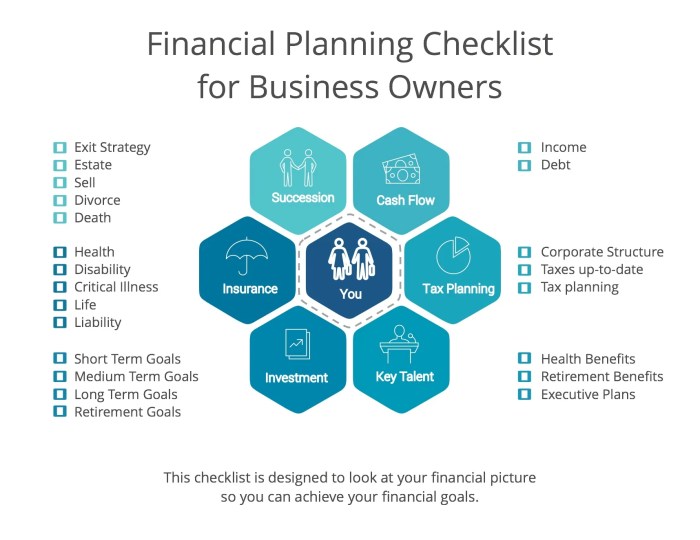
Effective money management is crucial for the success of any small business. By setting clear financial goals and priorities, business owners can make informed decisions and ensure the sustainability of their operations. Utilizing tools and resources to streamline money management processes can also help save time and improve overall financial health.
Importance of Setting Financial Goals and Priorities
Setting financial goals and priorities provides small business owners with a roadmap for their financial success. By clearly defining what they want to achieve and identifying the steps needed to get there, business owners can stay focused and make strategic decisions that align with their objectives.
This can lead to increased profitability, growth, and long-term sustainability.
- Establishing short-term and long-term financial goals
- Identifying key priorities such as reducing expenses, increasing revenue, or improving cash flow
- Creating a budget and regularly monitoring financial performance
- Setting aside funds for emergencies and future investments
By setting financial goals and priorities, small business owners can effectively manage their money and work towards building a strong financial foundation for their business.
Tools and Resources for Streamlining Money Management
There are various tools and resources available to help small business owners streamline their money management processes and make informed financial decisions. These tools can range from accounting software to budgeting apps, all designed to simplify financial tasks and improve overall efficiency.
- Accounting software like QuickBooks or Xero for tracking income, expenses, and managing invoices
- Budgeting apps such as Mint or YNAB for creating and monitoring budgets in real-time
- Online banking platforms with features like automated bill payments and expense categorization
- Financial calculators for analyzing investment opportunities, loan terms, or retirement savings
By leveraging tools and resources for money management, small business owners can save time, reduce errors, and gain valuable insights into their financial performance.
Wealth and Wellness
Maintaining a balance between financial success and overall well-being is crucial for entrepreneurs. Achieving wealth should not come at the cost of personal or professional wellness. Let’s explore the connection between wealth accumulation and overall well-being for small business owners.
Strategies for Balancing Wealth and Wellness
- Set clear boundaries: Establishing boundaries between work and personal life is essential. Make time for relaxation, hobbies, and spending time with loved ones to maintain mental and emotional well-being.
- Practice self-care: Prioritize self-care activities such as exercise, meditation, and proper nutrition to ensure physical wellness. A healthy body and mind are key to sustaining long-term success.
- Seek professional help: Don’t hesitate to seek help from financial advisors, therapists, or coaches to support your financial and mental well-being. Building a strong support system is crucial for navigating the challenges of entrepreneurship.
- Focus on long-term goals: While pursuing financial wealth, remember to set long-term goals that encompass not only financial success but also personal fulfillment. Aligning your goals with your values can lead to a more fulfilling entrepreneurial journey.
Wealthy Wallet
Having a financially healthy small business wallet is crucial for the success and sustainability of your business. A wealthy wallet allows you to have a solid financial foundation, manage expenses effectively, and invest in growth opportunities.
Characteristics of a financially healthy small business wallet
- Consistent Cash Flow: Ensuring a steady stream of income and managing expenses efficiently to maintain positive cash flow.
- Emergency Fund: Having a reserve of funds set aside for unexpected expenses or economic downturns.
- Debt Management: Keeping debt levels in check and having a plan to pay off debts in a timely manner.
- Profitable Investments: Making strategic investments that yield returns and contribute to the growth of the business.
Methods to build and maintain a wealthy wallet for sustainable business growth
- Develop a Budget: Create a detailed budget that Artikels income sources, expenses, and financial goals to track and manage your finances effectively.
- Monitor Cash Flow: Regularly review and analyze your cash flow to identify areas where you can cut costs, increase revenue, or improve efficiency.
- Diversify Revenue Streams: Explore new opportunities to generate income and reduce dependence on a single source of revenue.
- Reinvest Profits: Instead of taking out all profits, consider reinvesting a portion back into the business for expansion, innovation, or debt repayment.
Tips on managing cash flow effectively to ensure a wealthy wallet for small business endeavors
- Invoice Promptly: Send out invoices as soon as services are rendered or products are delivered to accelerate the payment process.
- Negotiate Payment Terms: Negotiate favorable payment terms with suppliers and customers to improve cash flow and reduce financial strain.
- Control Expenses: Regularly review expenses and look for opportunities to cut costs without compromising the quality of products or services.
- Build Relationships with Vendors: Establish strong relationships with vendors to negotiate better terms, discounts, or payment schedules.
Final Summary
As we wrap up our discussion on financial advice for starting and growing a small business, remember that the key to financial success lies in careful planning, wise investments, and a positive mindset. By implementing the strategies shared in this guide, you can steer your small business towards long-term growth and prosperity.
Embrace financial wellness and make informed decisions to secure a bright future for your entrepreneurial endeavors. Here’s to your success in the world of small business!
Common Queries
What are the key components of a sound financial plan for a small business?
A sound financial plan for a small business should include budgeting, forecasting, setting financial goals, monitoring cash flow, and creating strategies for growth and sustainability.
How can sustainable investing benefit small businesses?
Sustainable investing can align with a small business’s values and objectives, providing long-term financial growth while contributing to environmental and social causes.
Why is a positive financial mindset important for small business success?
A positive financial mindset can help entrepreneurs make confident decisions, navigate challenges effectively, and foster a resilient attitude towards financial management and growth.


